
Independent guide · Denver, Colorado
Denver Real Estate Professionals Guide
How brokers, inspectors, appraisers, lenders and title companies fit together in a Denver purchase or sale, what Colorado law asks of them, and the questions worth asking before you sign anything.
Who handles what
Ask the Right Professional
Most frustration in a Denver transaction comes from asking the right question to the wrong person. Pick a question and see who usually owns the answer.
Offer strategy is the core of what a buyer's broker does: pulling comparable sales, reading how long a listing has sat, and explaining which contract terms (deadlines, inspection rights, appraisal language) matter more to a seller than a slightly higher number. The price decision stays yours.
Read more: what Colorado brokers actually do
Loan amount, rate, points and closing costs come from a mortgage loan originator, not from the real estate broker. Ask lenders for a written Loan Estimate so you can compare offers line by line, and get pre-approved before you start touring seriously.
Related: how the lender's appraisal works
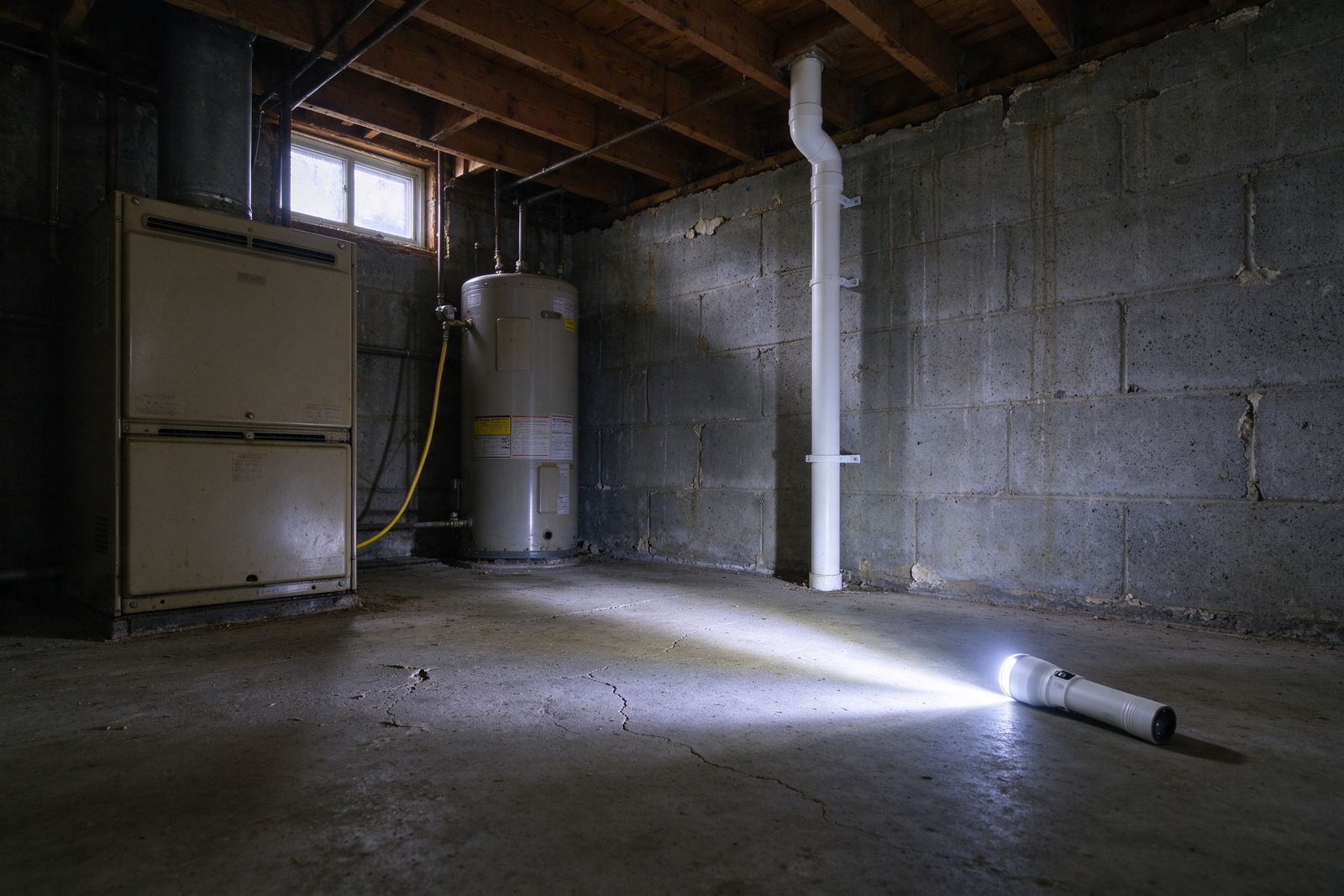
A general home inspector looks at visible systems. Specialists go further: a sewer scope camera for the line out to the street, a radon test, a structural engineer when the foundation shows movement. Your broker can suggest names, but the hire and the report belong to you.
Read more: inspections in Denver
If you are financing, the lender orders an appraisal from a licensed or certified appraiser who reports to the lender. You cannot pick the appraiser, and neither can the brokers. If the value comes in low, the contract's appraisal terms decide what happens next.
Read more: low appraisals and your options
The title commitment lists who owns the property, what must be paid off or signed before closing, and the recorded items your policy will not cover. Read the exceptions, not just the cover page, and ask the title officer about anything you do not understand.
Read more: title and closing in Denver
Brokers can explain how the standard Colorado contract forms work, but they cannot give legal advice. When the question is about your rights, a dispute, or unusual terms, talk to a Colorado real estate attorney before a deadline passes, not after.
Background: what your broker can and cannot do
The order things happen
First Call to Keys
Every Denver purchase moves through the same five stages, and each one has a professional who leads it. Knowing the order tells you who to call and when the pressure lands.
-
01
The Interview.
You talk to two or three brokers before signing anything. The good ones ask about your timeline and finances before they talk about themselves. Interview method
-
02
The Agreement.
A written brokerage agreement sets the relationship, the term, and how the broker is paid. Every line in it is negotiable. Agency explained
-
03
The Offer.
Colorado uses state-approved contract forms with a deadline table. The dates you agree to here run the rest of the deal. Deadline order
-
04
The Inspection.
Inspection, radon, sewer scope, appraisal and loan conditions all land in a few busy weeks. Miss an objection deadline and the right is usually gone. Inspections
-
05
The Closing.
The title company collects signatures and funds, pays everyone, and records the deed. Confirm wiring instructions by phone, every time. Closing day
Sheet 04 · Principles
Four Rules Before You Hire Anyone
These hold whether you are hiring a listing broker, a buyer's broker, an inspector or a title company. Hover or tap a rule below to read it.
Rule 01
Get the Relationship in Writing
In Colorado, a broker who works with you without a written agreement is generally treated as a transaction-broker, not as your agent. If you want advocacy, sign an agreement that says so and read who the broker represents.
Rule 02
Every Fee Is Negotiable
No law sets brokerage commissions. The rate, the structure, who pays, and what happens if you cancel are all terms you can discuss before signing, and should see written down.
Rule 03
Deadlines Run the Deal
The Colorado contract is built around dated deadlines. Put each one in your own calendar the day you go under contract instead of relying on anyone else to remind you.
Rule 04
Verify Independently
Look up any broker's license with the Colorado Division of Real Estate, read inspection reports yourself, and confirm wiring instructions by calling a number you found on your own.




The guides
Six Guides, One Transaction
Each guide covers one professional or one stage, written for people buying or selling a home in Denver, not for agents.
-
Who holds which license in Colorado and what each role actually does.
Read the agents and brokers guide -
Agent, transaction-broker, or customer: the working relationship you sign.
Read the buyer and seller agency guide -
How brokerage fees get set, written down, and negotiated.
Read the commission negotiation guide -
An interview method with a scorecard you can use tonight.
Read the choosing an agent guide -
Radon, sewer scopes, objection deadlines and appraisal gaps.
Read the inspections and appraisals guide -
Title commitments, the ILC, wire safety and closing day.
Read the title and closing guide
Our method: ask before you hire, read before you sign, verify before you wire.
The whole method, in three words

Still stuck on a question?
Send Us the Question You Cannot Get Answered
Tell us where you are in the process and what is confusing you. Reader questions shape what these guides explain next, and the answer may already be sitting in one of them.
We are an independent guide, not a brokerage, so we cannot represent you in a transaction or recommend a specific broker.